



24 DAILY NEWS – The recent escalation in tensions between Israel and Iran is sending shockwaves through the global economy, prompting 24 DAILY NEWS to provide in-depth coverage on the developing situation.
Escalating Israel–Iran Tensions Rock Global Oil and Economy
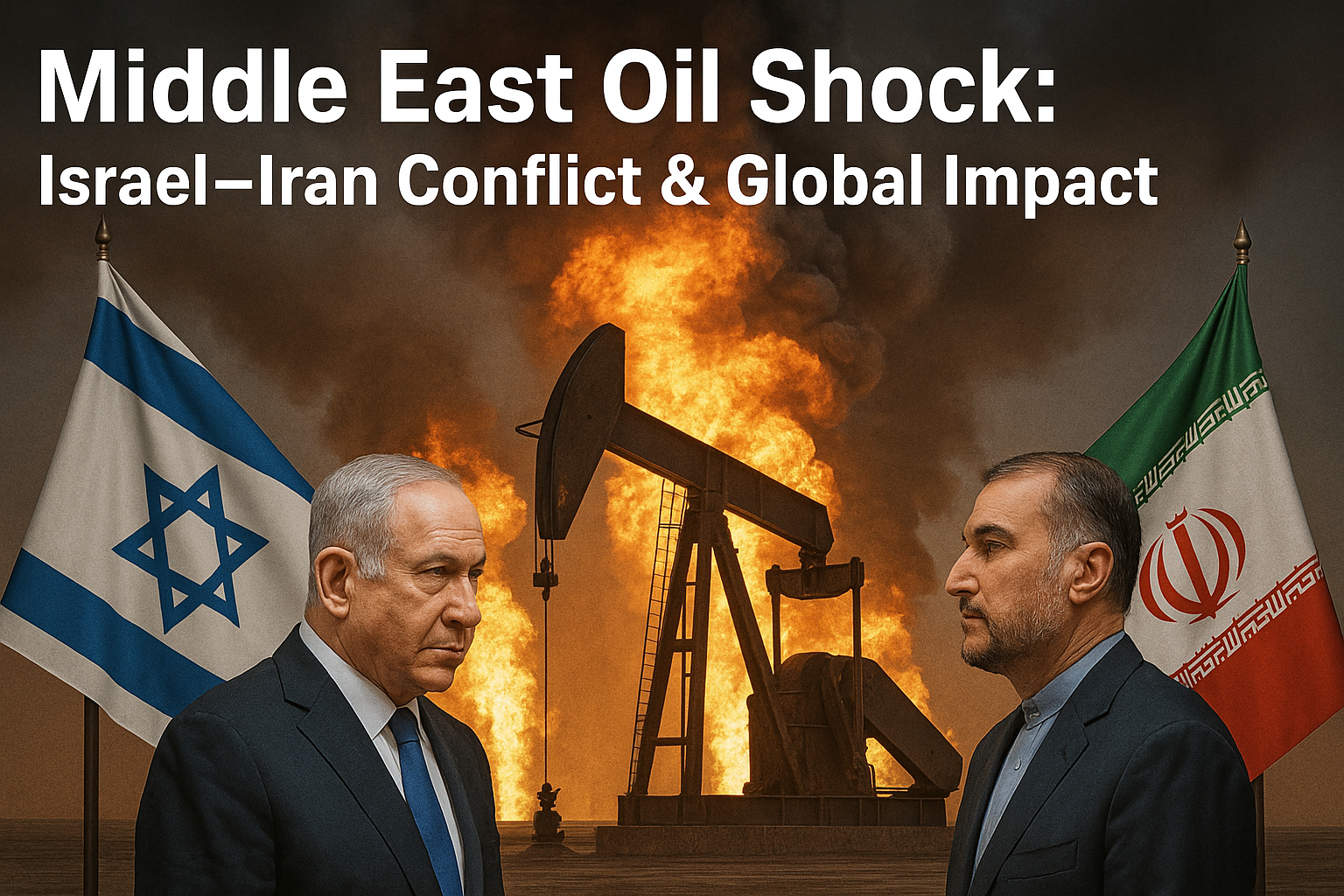
The recent surge in military strikes between Israel and Iran—beginning mid‑June 2025—has reignited fears of another Middle East energy crisis, with swift ripple effects on oil markets, world trade, inflation, and central bank policies. What initially seemed like a regional flare‑up now presents broader, systemic risks to global economic stability.
This article offers a detailed, impartial analysis of the unfolding crisis—examining the geopolitical flashpoints, oil market turmoil, inflationary consequences, central bank responses, and economic forecasts. With insights for policymakers, businesses, and global citizens, we also explore policy options and strategies to manage risks.
1. Geopolitical Flashpoint: What Just Happened?
Israeli Strikes Target Iranian Facilities
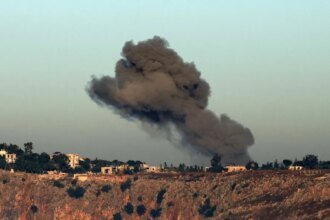
On June 13, 2025, Israel launched airstrikes on Iranian nuclear sites, ballistic missile facilities, and leadership targets, including the South Pars gas field and Shahran oil depot reuters.com+6en.wikipedia.org+6theguardian.com+6reuters.com+4aljazeera.com+4iea.org+4. Iran retaliated with missile fire and issued threats to close the Strait of Hormuz barrons.com+5en.wikipedia.org+5iea.org+5.
These events mark the most intense Israel–Iran confrontation in years, raising fears of a broader regional war.
Strait of Hormuz at Risk
The Strait of Hormuz—through which nearly 20–30 % of global seaborne oil flows—became a focal point. Iranian parliamentarian Esmail Kosari stated that closure is “under serious consideration,” an act which could trigger oil price spikes well above $100–150 per barrel reuters.com+15en.wikipedia.org+15investopedia.com+15.
2. Oil Markets in Turmoil
Sharp Price Increases
Brent crude surged over 11 %, soaring from mid‑$60s to the high $70s per barrel by mid‑June finance.yahoo.com+6en.wikipedia.org+6m.economictimes.com+6. Key benchmarks moved from roughly $67 to $78—heightening cost pressures globally.
Risk Premiums and Market Speculation
Analysts at Reuters and Goldman Sachs highlighted a $10 per barrel “geopolitical premium” tied to potential disruption iea.org+11reuters.com+11thedailyupside.com+11. JPMorgan flagged a 17 % chance of worst-case outcomes, such as a Strait shutdown marketwatch.com+1en.wikipedia.org+1. J.P. Morgan suggested prices could hit $120 in dire scenarios barrons.com+3m.economictimes.com+3timesofindia.indiatimes.com+3.
In extreme cases, analysts warn of a doomsday surge toward $150 per barrel if Iran fully blocks exports and regional producers fail to backfill m.economictimes.com+1en.wikipedia.org+1.
3. Economic Fallout: Inflation, Trade and Growth Risks
Rising Inflationary Pressure
Higher oil and energy costs feed directly into inflation. As oil hits the high‑$70s per barrel, global consumer prices are under increased stress—weakening household budgets and corporate margins.
Impact on Emerging Economies
Emerging markets reliant on imports (e.g., India, UAE) face immediate challenges. India’s Chief Economic Adviser warned that surging crude threatens inflation, current account deficits, and fiscal strain reuters.com+15iea.org+15barrons.com+15timesofindia.indiatimes.com. In the UAE, fuel costs may rise soon, tightening consumer spending .
Global Trade Disruption
The crisis echoes previous disruptions like the Gulf War. Strait threats amplify shipping costs and transit delays, with industries like manufacturing, aviation, and logistics likely to feel impact .
4. Financial Markets and Investor Sentiment
Equity Market Volatility
U.S. markets experienced sharp sell‑offs: S&P and Nasdaq dropped around 0.8–0.9 % on initial news investopedia.com. Recession fears heightened, with investor preference shifting to safe‑havens like U.S. Treasuries and the dollar reuters.com.
Commodity Windfalls
Energy and defense stocks rallied. Firms like Exxon, Shell, BP, and defense contractors gained as oil surged and conflict-related demand grew .
Institutional analysis from FT and Al Jazeera reported ~4 % spikes in benchmarks due to fears of U.S. involvement aljazeera.com.
5. Central Banks and Monetary Policy Responses
Hold, Cut, or Cautious?
The Bank of England held rates at 4.25%, citing inflation concerns tied to conflict-driven oil prices thetimes.co.uk+1coutts.com+1. Simultaneously, Swiss and Norwegian central banks initiated rate cuts, reacting to weaker inflation and trade disruption fears reuters.com+8reuters.com+8thetimes.co.uk+8.
The Fed maintained its benchmark rate at 4.50%, but signaled readiness for cuts—though global pressures complicate forecasts coutts.com.
Inflation Trajectories
UK inflation projected at 3.7 % by September; banks remain cautious amid geopolitical energy risks . Global uncertainty pressures monetary authorities, while the IEA warns of medium‑term price volatility tied to energy shifts thetimes.co.uk.
6. Business, Trade and Supply Chain Impacts
Corporate Strategies and Pricing
Firms face rising input costs—from manufacturing to transportation. Airline, shipping, and automotive industries may absorb higher fuel costs or pass them to consumers.
Supply Chain Disruptions
Threats to the Strait and Red Sea/Red Sea shipping—already strained from Yemen–Houthi attacks—could prolong delays and increase cargo costs en.wikipedia.org.
Policy Pressure
Export‑heavy nations reliant on Gulf routes—like Saudi Arabia, UAE, Iraq, and Kuwait—face urgency to ensure security corridors and diversify trade routes .
7. Forecasts and Scenario Planning
Short‑Term Scenarios
- Best‑case: De‑escalation via diplomacy; oil stabilizes in low‑$70s.
- Base‑case: Ongoing tit‑for‑tat, premiums sustain oil in $80–90 range.
- Worst‑case: Strait closed; prices surge above $120, triggering inflation and slowing growth m.economictimes.com.
Long‑Term Dynamics
IEA forecasts continued oversupply into 2026–27, though energy transition and plateauing demand in China may temper supply tension .
8. Policy Responses and Strategic Options
Diplomatic De-escalation
- Immediate diplomatic channels involving the U.S., EU, Gulf states, and UN required to contain escalation and prevent Strait closures.
- Confidence-building measures (e.g., maritime safety frameworks) are needed to reassure markets and reduce price swings.
Strategic Reserves and Subsidies
- Governments can deploy Strategic Petroleum Reserves to cushion price shocks and shield consumers—though U.S. stockpiles are currently low .
- Temporary subsidies or tax relief on fuel could stabilize domestic inflation.
Central Bank Communication
- Clear guidance (forward guidance) may help cap inflation expectations.
- Flexible, data-driven approaches are crucial as global shocks test existing monetary frameworks.
Trade Route Diversification
- Investment in alternatives (Africa–Europe pipelines, LNG carriers, rail corridors) can reduce dependency on maritime chokepoints.
9. Key Takeaways
- Oil volatility is back: Market premiums reflect heightened geopolitical risk in the Strait area.
- Inflation pressures mount: Higher energy costs feed into global price trends.
- Market jitters persist: Equity turbulence and safe-haven flows characterize current trading.
- Monetary tightrope: Regulators must balance inflation control with growth stability.
- Policy urgency: Coordinated diplomatic effort, energy diversification, and transparency are critical to secure markets.
10. What Happens Next?
- Diplomatic efforts from the U.S., EU, and regional states may determine de-escalation or escalation.
- Oil markets remain fragile: Any signal of intervention at Hormuz or escalation toward other maritime chokepoints could trigger another rally.
- Central banks are on alert: Policy flexibility will be essential to manage inflation without stalling recovery.
- Fuel prices in the UAE and across the Gulf may see sharp changes, impacting households and businesses.
Related Coverage on 24 Daily News
- For background on previous Middle East energy shocks, read our analysis here: How Gulf Conflicts Shape Oil Prices.
- Our deep dive into global interest rate trends post‑tariffs and trade here: [/finance/central-bank-interest-trends].
- For insights into Red Sea shipping disruptions, see: [/world/impact-red-sea-crisis].
Conclusion: Navigating Through Uncertainty
The June 2025 Israel–Iran escalation marks a critical stress test for global energy security and economic stability. With oil surging amid fears of chokepoint disruptions and broader conflict, policymakers, businesses, and financial actors must recalibrate for volatility. Effective diplomacy, strategic reserves, and central bank communication are vital to cushion economic fallout. As the scenario unfolds, maintaining agility—both in policy and strategy—will define the global resilience to this crisis.
Reporter: 24 Daily News Correspondent